Measured fit to the opening
We verify the opening size and side room and set the door so the reveal lines are even and the sections sit flat when closed.
Serving Sebring, Florida
Garage door installation in Sebring, Florida
Replace a dented, sun-faded, or rattling door with a new one that fits the opening, rolls smoothly, and closes tight. We install steel and insulated doors with tracks, springs, and opener settings matched to the door's weight.
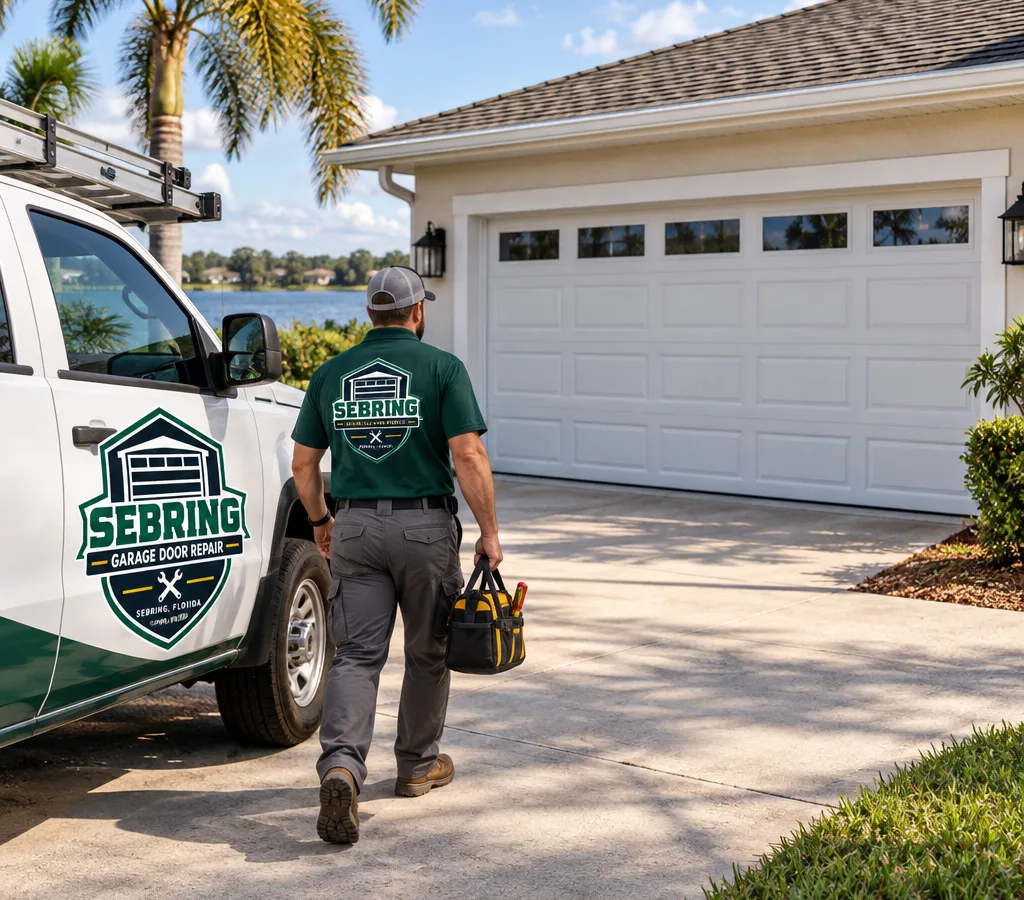
Installation quality matters
A new garage door usually starts with looks, but the install is what decides how it sounds, how long it lasts, and whether it seals properly in summer rain.
A real garage door installation is more than hanging panels. The door has to be set square in the opening, the track has to be plumb, the spring system has to be sized to the door, and the opener has to be adjusted so it isn't fighting the door. If any of those are off, you get the familiar problems: a door that jerks, rubs, rattles, or reverses for no clear reason.
We install new garage doors in Sebring, FL with a focus on the mechanical basics that matter: correct track spacing, proper hinge and roller alignment, balanced spring tension, and safe travel limits. If your current door is just noisy or sticking, a repair may be all it needs.
Door options for local homes
Most homes around Sebring go with a standard steel door or an insulated steel door.
Steel (non-insulated) is a solid choice when you want a clean look and a reliable door. It works well for garages that are mainly storage or where indoor temperature isn't a priority.
Insulated steel makes sense when the garage shares walls with living space, when the door faces hard afternoon sun, or when you want a quieter door. The added rigidity can also help the door feel less tinny and reduce vibration.
Either way, the most common installation issues come from mismatched hardware. Door weight changes with insulation level and door height, which changes the spring requirements. A proper install starts with confirming door size and weight class, then selecting springs and setting the lift so the door can be raised by hand smoothly and stay put around mid-travel.
If you already have an opener, we can usually keep it if it is compatible and in good condition, but it still needs force and limit settings checked after the new door is installed. A new door should not rely on the opener to drag it up.
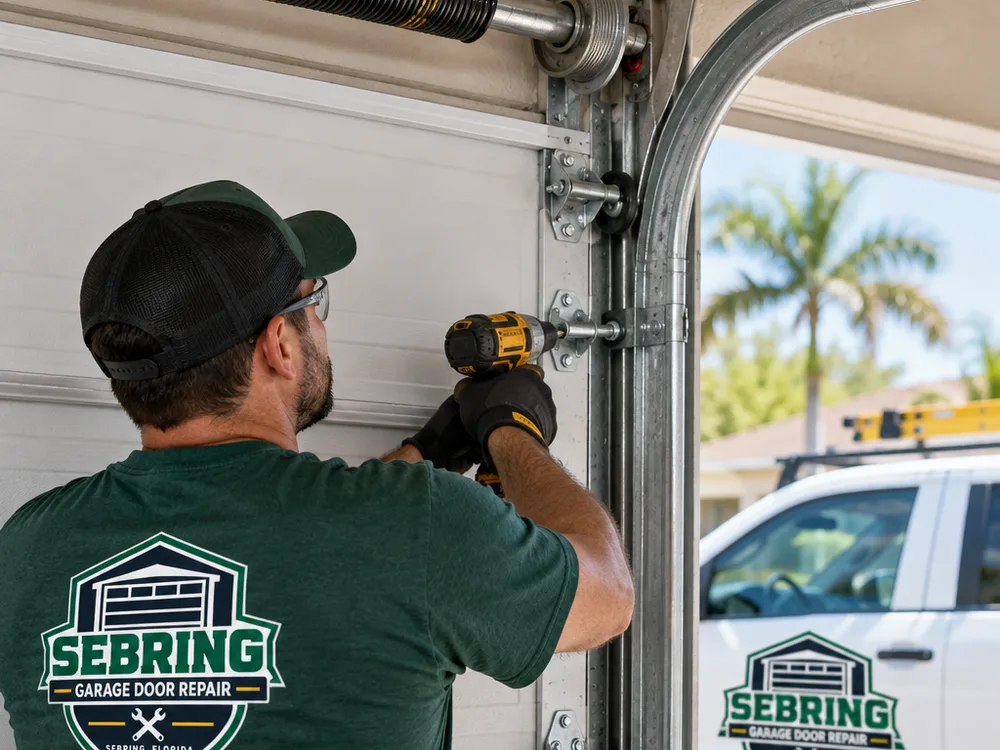
Complete installation details
We verify the opening size and side room and set the door so the reveal lines are even and the sections sit flat when closed.
Springs are selected and adjusted to the door's weight so the door lifts smoothly by hand and doesn't slam down or float up.
Tracks are mounted plumb and at the correct spacing so rollers don't bind, rub, or chatter during travel.
Bottom seal contact and perimeter sealing are checked so the door closes tight and helps keep wind-driven rain and pests out.
If an opener is staying, we confirm it matches the door and reset limits and force so the door runs safely and consistently.
We show you safe operation basics: manual release use, what normal sounds are, and what changes mean it's time for service.
From measure to walkthrough
The door, track, springs, seals, and opener settings are handled as one connected system.
We measure the opening and check headroom, side room, and backroom so the door and track layout match the space, not a generic template.
Existing sections, track, and spring components are taken down with spring tension handled correctly. This is the part that is most dangerous to DIY.
We mount vertical and horizontal tracks, hang sections, and set hinges and rollers so the door travels straight and doesn't drift into the jamb.
Torsion or extension springs are installed and adjusted so the door feels neutral, stays at mid-height, and closes without slamming.
We set travel limits and force (or connect a new opener if needed), then run multiple cycles to verify smooth operation and consistent close.
We verify latch/lock alignment if applicable, check seal contact, and show you what to watch for as the door settles in.
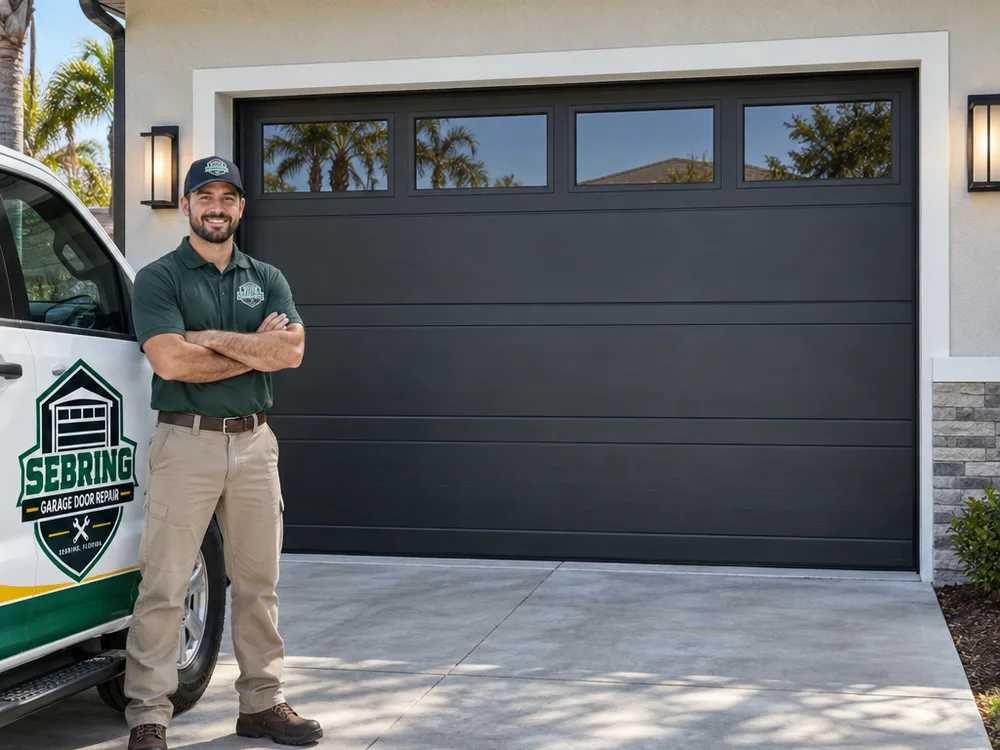
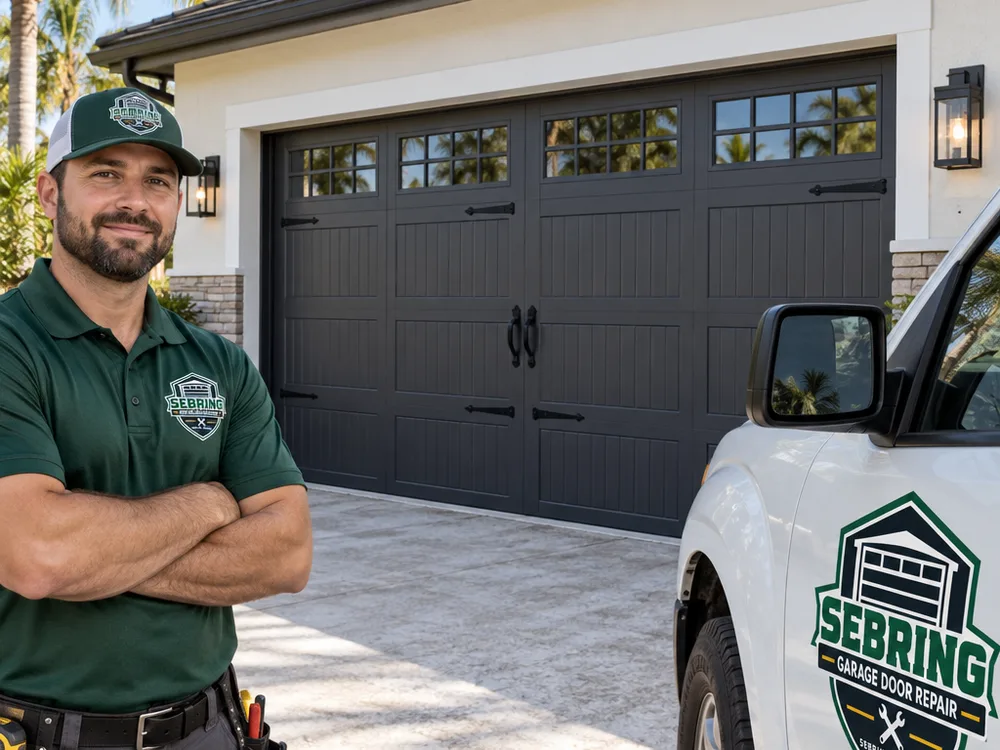
Florida-ready door styles
Homeowner guidance
Installation time varies with door size, whether the track layout needs changes, and whether an opener is being swapped or reused and reset.
Often yes, as long as the opener is compatible with the new door's weight and the rail, mounting, and safety sensors are in good shape. After a new door is installed, limit and force settings should be reset so the opener isn't pushing a door that is out of balance.
You only need an insulated door if it matches how you use the garage. If the garage shares walls with living space, faces strong afternoon sun, or you want a quieter, stiffer door, insulation is usually worth it; for a basic storage garage, a standard steel door is often the practical choice.
A door should sit level, but a garage opening can be out of square or the slab can have a slight slope, which makes the gaps more noticeable. The fix is careful track placement and seal adjustment so the door closes tight and travels straight, even when the opening isn't perfectly square.
Hanging sections is only part of the job; the spring system is the main reason replacement is risky. Springs store enough torque to cause serious injury, so professional removal and balancing is the safer route, especially when upgrading to a heavier insulated door.
Plan your new installation
Tell us what you want to replace and what you want the new door to do, and we'll confirm sizing, options, and the hardware needed for a clean installation.